Josh Russell | August 17, 2026
August 17, 2026
Concrete forms the backbone of modern infrastructure, and its importance in home construction and renovation cannot be overstated. From driveways to foundations, this versatile material plays a crucial role in ensuring structural integrity and aesthetic appeal. For homeowners, understanding the ins and outs of concrete can lead to informed decisions, ensuring projects are both cost-effective and durable. A solid grasp of how concrete works also empowers homeowners to communicate better with skilled trade professionals, drastically enhancing the end result. This article sheds light on various facets of concrete work that professional contractors wish every property owner truly understood before breaking ground.
Understanding Concrete Composition and Curing
Concrete is fundamentally an engineered mixture of cement, water, and aggregates like sand, gravel, or crushed stone. Its composition can be modified to achieve desired qualities like compressive strength and long-term durability for specific applications. Cement acts as the primary binding agent, reacting chemically when mixed with water to form a solid mass through a process known as hydration. The choice of aggregates plays a significant role in determining structural properties and adaptation to environmental conditions. Understanding these primary components is essential for property owners to appreciate how different concrete mixes are tailored for various residential needs.
Water is not just a secondary component; it is the vital catalyst that transforms dry cement into an active binding agent. The water-to-cement ratio is extremely crucial. Adding too much water weakens the finished slab, while using too little makes the batch unworkable. Experienced concrete companies strive to maintain this delicate balance to guarantee maximum physical strength. Property owners should understand that the curing process, where moisture is carefully maintained, affects overall structural density. Properly managed water usage ensures that the installed concrete mix achieves its full anticipated performance throughout its operational lifespan.
Concrete mixes can be customized to accommodate a variety of structural and aesthetic needs. Some mixes contain specialized chemical additives to accelerate curing times or improve weather resistance, while others offer unique textured surfaces. Quick-setting concrete is ideal for time-sensitive installations, whereas fiber-reinforced mixes are selected for enhanced tensile strength. Working alongside qualified concrete companies allows owners to evaluate these options and select the ideal mix for long-term functionality. Selecting the correct mix is crucial for ensuring the structural performance of the installed material.
Curing is a critical phase in the construction process that directly influences ultimate surface strength. This stage involves maintaining adequate moisture, temperature, and time to allow internal chemical reactions to progress to completion. Proper curing enhances long-term durability, whereas neglecting this process leads to surface dusting, spiderweb cracking, and premature deterioration. Property owners must prioritize projects that incorporate comprehensive curing strategies to achieve resilient outcomes. From findings published by Engineer Fix, properly installed concrete can last twenty-five to fifty years or more according to industry data, offering extended durability for high-use residential spaces.
A common misconception is that concrete is completely impervious, whereas it is actually a naturally porous material. This property can lead to water absorption and severe surface spalling from freeze and thaw cycles if the slab is not properly sealed. Another widespread myth is that all surface cracks signify immediate structural failure; however, many small hairline cracks are expected due to natural shrinkage as the material cures. By understanding these technical nuances, property owners can address minor maintenance needs proactively before they escalate into costly repairs.
The True Value of Professional Expertise
Homeowners seeking to cut initial project costs often turn to DIY approaches, but in the realm of heavy masonry, this decision frequently backfires. Without the technical expertise and field experience of professional concrete companies, simple mistakes can lead to catastrophic structural failures and expensive tear-outs. Professionals bring specialized knowledge regarding mixing proportions, subgrade compaction, curing schedules, and structural rebar placement. Additionally, attempting DIY work often leads to unforeseen rental costs for specialized power tools. Engaging licensed concrete companies initially proves far more cost-effective over the lifespan of the installation.
Early detection of minor surface damage can prevent small issues from evolving into major structural concerns. Experienced concrete companies possess the trained eye necessary for identifying subtle signs of wear that untrained property owners easily overlook. Professional contractors instantly know the structural difference between superficial surface crazing and deep foundation cracks that indicate severe ground settlement. Scheduling a routine professional assessment to evaluate flatwork condition is invaluable for long-term preservation, ensuring the surface lasts as long as possible.
Assessing and understanding the exact structural requirements for new concrete installations is pivotal for guaranteeing safety. Professional concrete companies conduct thorough site evaluations, carefully analyzing soil bearing capacity, localized drainage patterns, and intended load requirements. These critical factors influence decisions regarding subbase thickness, concrete compressive strength ratings, and steel reinforcement placement. Homeowners benefit immensely from a contractor's ability to predict long-term soil behavior, preventing potential cracking and structural shifts caused by poor subgrade preparation.
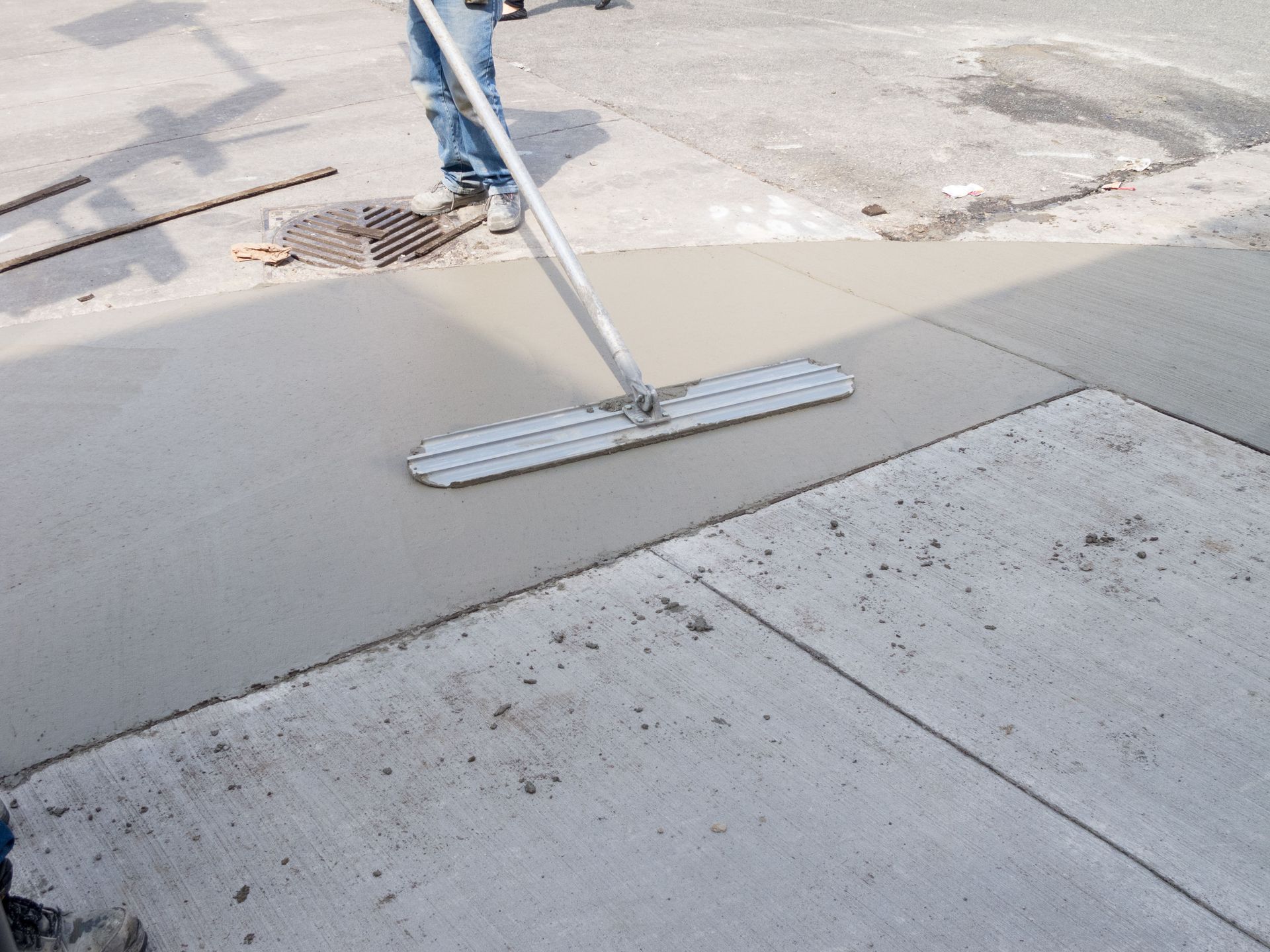
Reputable concrete companies arrive equipped with commercial-grade machinery that ensures absolute precision and site efficiency. These advanced assets include specialized volumetric mixers for uniform consistency, power trowels for smooth surface finishing, and walk-behind saws for cutting precise expansion joints. Access to state-of-the-art tools elevates the quality of the final slab to a standard that is nearly impossible to replicate using consumer rental equipment. Relying on professional teams who own the proper tools remains the primary key to achieving flawless, long-lasting hardscaping.
Operational Techniques and Installation Standards
Proper site preparation is the foundational baseline for any successful pouring project. The process requires clearing organic debris, excavating to the correct depth, and thoroughly compacting a granular subbase to support the heavy slab. Professional crews utilize optical lasers and spirit levels to establish an even pitch, preventing future pooling water and structural settling. Understanding the vital role of crushed gravel subbases is critical, as this layer provides a stable platform and facilitates subgrade drainage. Property owners should insist on meticulous site prep to avoid settlement issues later on.
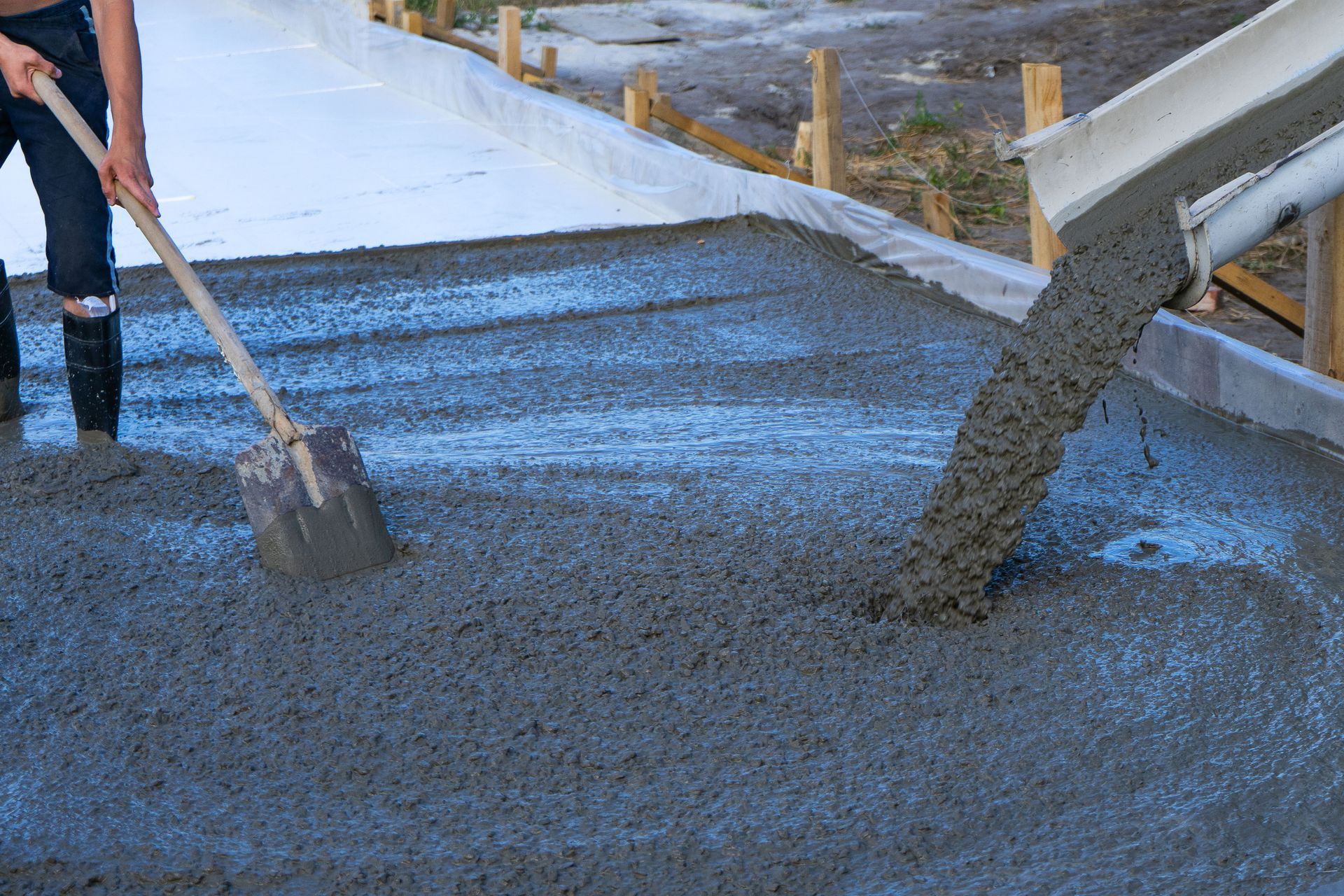
Correctly pouring wet concrete is a time-sensitive task requiring precision, rapid teamwork, and physical stamina. The material must be placed consistently and consolidated quickly to eliminate structural air pockets that weaken the finished slab. Professional crews work in sync to spread, screed, and bull-float the wet material efficiently before hydration accelerates. Property owners should appreciate the intensive labor required during this phase to produce a smooth, level, and durable surface that fulfills both aesthetic and functional demands.
The total thickness of a slab directly determines its ability to bear heavy loads without cracking. Standard residential patios typically require four inches of material, whereas vehicular driveways demand five to six inches supplemented with steel rebar reinforcement. Professional contractors accurately calculate anticipated weight loads to specify the precise depth required for lasting performance. Ensuring appropriate slab thickness prevents structural fracturing, edge breaking, and premature aging under daily vehicular traffic.
Control joints are essential design elements cut into the slab to manage the natural cracking that occurs as concrete shrinks during hydration. These engineered stress-relief grooves guide cracking along neat, predefined lines hidden beneath the surface. Omitting these joints leads to unsightly, jagged cracks across the middle of the slab. Professional installers strategically space control joints based on slab thickness and layout geometry, preserving the aesthetic appearance and structural integrity of the project.
Achieving the perfect balance between initial project cost and long-term quality requires realistic budgeting and clear communication with your contractor. While premium mixes, steel reinforcement, and professional sealing add to upfront costs, they deliver substantial savings by eliminating frequent repairs. When planning your next residential or commercial project, partner with industry experts who understand proper installation techniques from the ground up. To guarantee superior craftsmanship, unmatched durability, and a flawless finish on your next project, contact the experienced professionals at Luxpour today.