Josh Russell | October 30, 2026
October 30, 2026
Home improvement television shows portray major renovations as simple tasks, inspiring homeowners to tackle landscaping projects. Pouring driveways and patios appears on these ambitious schedules. Property owners watch instructional videos and believe they possess the skills to mix, pour, and finish cementitious materials. However, working with such heavy, time-sensitive materials presents severe challenges. The physical labor and strict timelines overwhelm individuals who lack professional construction experience.
Attempting a pouring project without commercial machinery leads to structural failures and uneven surfaces. Minor mistakes turn into permanent blemishes, requiring expensive demolition and debris removal. Hiring a local concrete service ensures structural integrity, long-term property value, and pristine aesthetic appeal. Professionals mitigate the severe risks associated with amateur pouring, delivering a durable product that withstands extreme weather. Property owners benefit from leaving this labor to seasoned contractors.
Gaining Structural Integrity Through Professional Preparation
Proper site preparation dictates the success of any paving project. Digging out the designated area requires heavy earthmoving machinery and precise grading tools. Amateurs attempting to excavate a driveway with manual shovels face severe physical fatigue. Improper grading leaves the site vulnerable to water pooling, which undermines the entire structural foundation. Professional contractors bring mechanized equipment to achieve the correct downward slope for proper drainage.
Beyond simple soil excavation, earth compaction plays a foundational role in the overall process. Amateurs overlook the necessity of compacting the subgrade earth before adding aggregate base materials. Uncompacted soil settles in uneven patterns beneath the slab, causing the solid surface above it to sink, hollow out, and crack under vehicle weight. Contractors use heavy plate compactors and pneumatic ramming machines to create a dense, unyielding subgrade suitable for heavy loads.
Following proper soil compaction, workers must install an appropriate sub-base layer. This critical layer consists of crushed stone or gravel, creating a stable, draining foundation beneath the slab. The exact depth and aggregate material type depend on regional soil conditions and expected load weights. Do-it-yourself enthusiasts misjudge base depth, compromising the load-bearing capacity of the finished slab. A proper aggregate base prevents frost heave from destroying the fragile upper layers.
Securing a local concrete service at this stage guarantees a level, solid base foundation. Contractors understand regional soil types and strict drainage requirements, applying appropriate base materials to prevent ground shifting. This foundational accuracy prevents the dangerous sinkage and drainage issues that plague amateur home installations. The resulting slab rests on a stable rock bed, ready to support immense vehicle weight without breaking under the physical stress.
Achieving Lasting Durability Through Proper Material Mixing
Mixing wet materials seems straightforward but proves complex in actual practice. The precise ratio of dry cement paste, aggregate stone, and liquid water dictates the final compressive strength. Bagged mixes from hardware stores limit project scale and require immense physical effort to mix by hand. Inconsistent material batches create weak points across the slab surface, leading to structural failure over time.
Adding excessive water makes the wet mixture easier to spread across the wooden retaining forms. This extra moisture compromises the essential chemical bonds during the vital curing phase. The resulting surface becomes weak, porous, and prone to crumbling under minimal physical stress or vehicle weight. Amateurs fall into this construction trap, prioritizing the ease of material spreading over long-term durability and necessary structural density.
Insufficient water leaves dangerous dry pockets within the thick mix. The heavy material becomes stiff before it reaches the far edges of the wooden forms. Hidden voids form inside the solid slab, reducing its load-bearing capacity and overall structural density. Achieving the perfect chemical hydration balance requires extensive knowledge of ambient temperature and environmental humidity effects. A dry mix fails to bond with the reinforcing metal bars placed inside the forms.
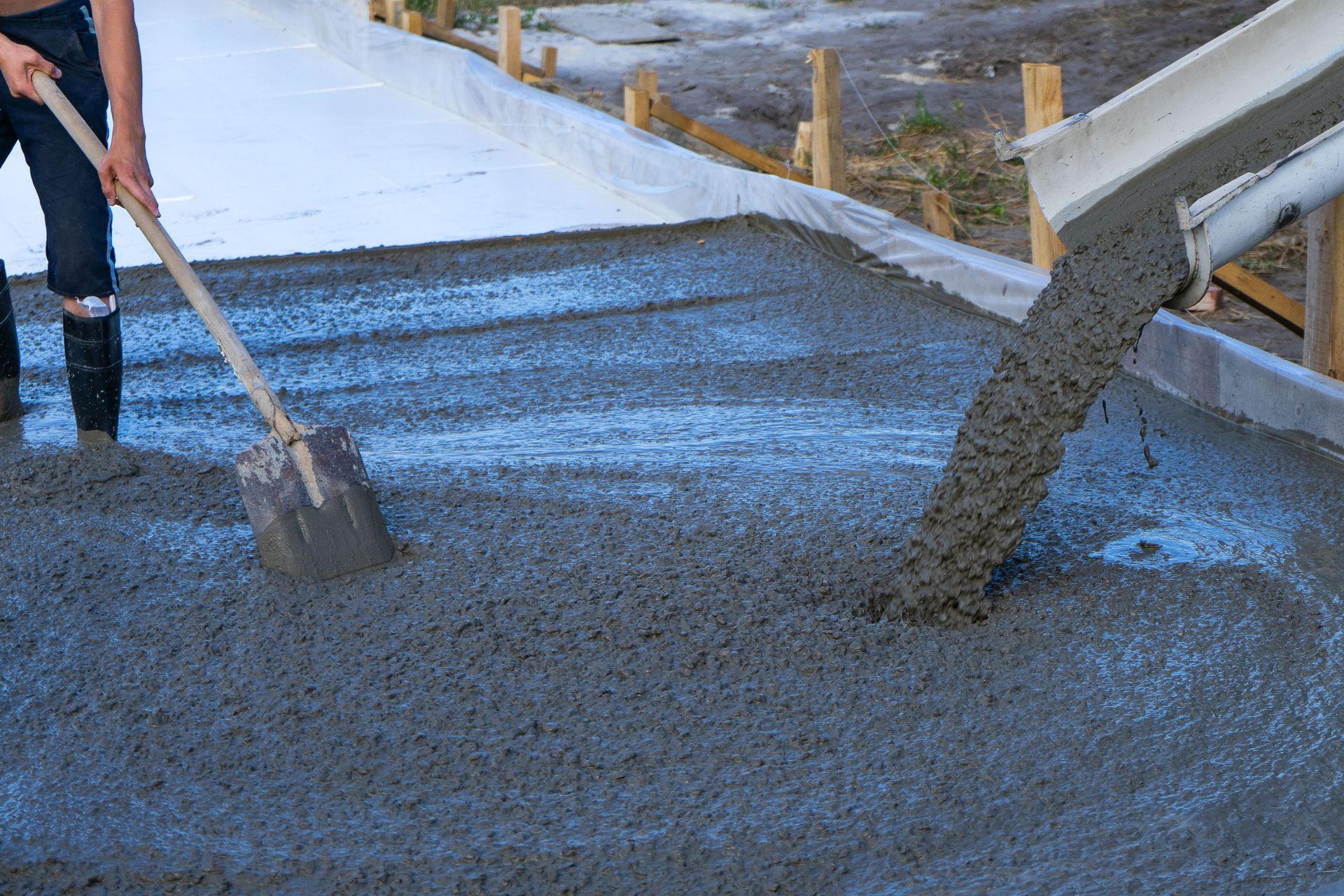
A skilled local concrete service orders premixed material straight from ready-mix plants, ensuring perfect material ratios and consistent structural quality. Contractors understand regional climate variables and adjust the chemical mixtures to withstand local freeze-thaw weather cycles. Workers manage the material flow and consistency to guarantee a strong, unified slab without weak joints or dry pockets. Heavy delivery machinery delivers a uniform product on schedule without dangerous delays.
Ensuring Flawless Finishes Through Specialized Tools
Pouring the heavy wet mixture represents a small portion of the total physical labor involved. The subsequent finishing phases require specialized equipment absent from a typical residential home garage. Strict timing dictates every action during this delicate finishing process. Workers must read the surface moisture and wait for the surface bleed water to evaporate before applying metal finishing tools. This timing requires specific skills learned through prolonged observation and field experience.
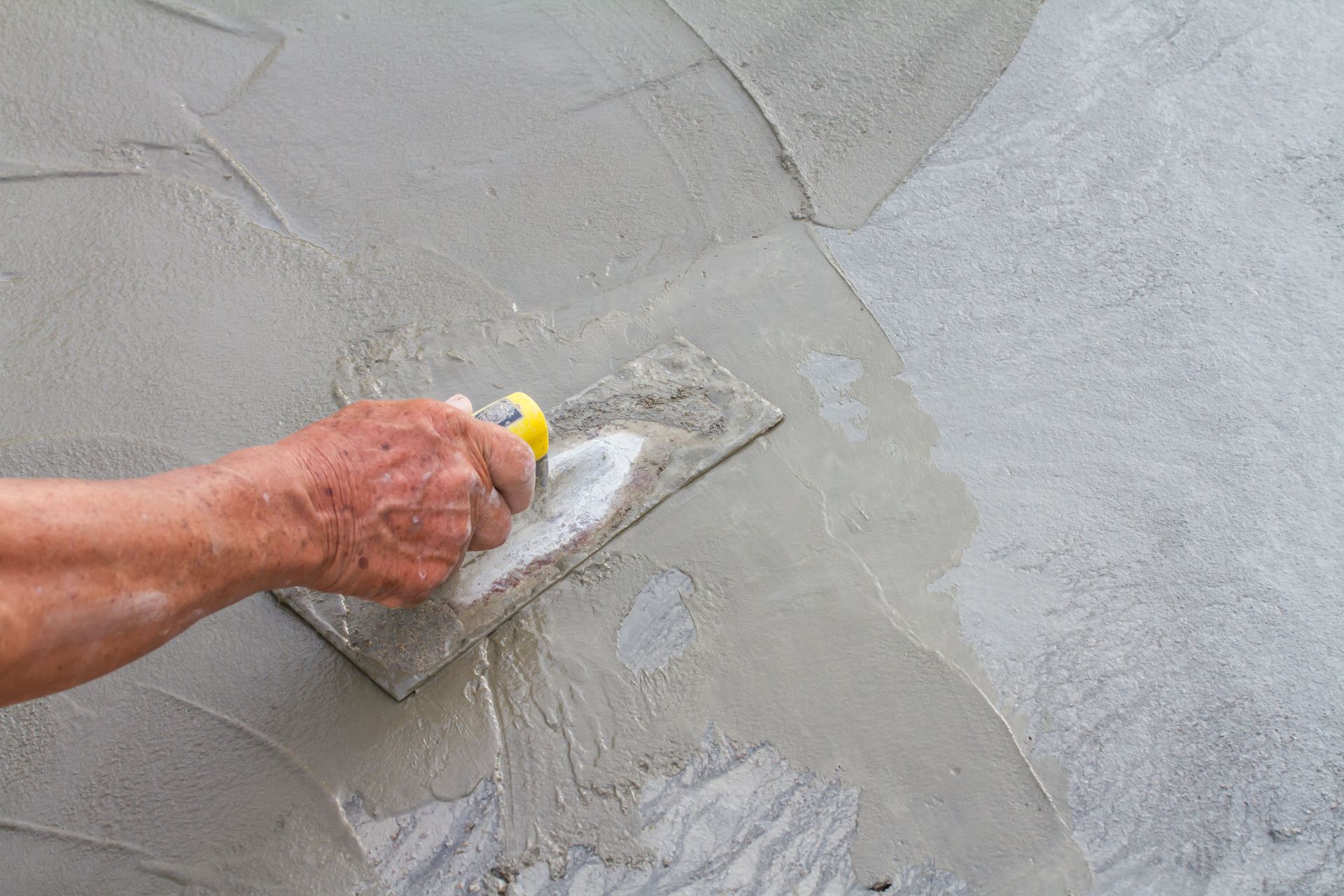
Screeding involves pulling a heavy straight edge across the wet surface to level the material with the wooden side forms. Following this critical step, workers use magnesium bull floats to push coarse stone aggregate down and bring a smooth cement paste to the top layer. These heavy metal tools require precision, physical balance, and immense upper body strength to operate across a wide residential driveway.
Specialized edging tools create rounded, dense borders that resist edge chipping under heavy vehicle traffic. Workers must cut deep control joints into the wet surface at specific interval points. These intentional grooves guide unavoidable expansion cracks into neat, straight lines across the slab. Misplacing these joints results in random, jagged fissures across the center of the driveway, ruining the overall aesthetic appeal of the residential property.
Without these specialized implements and the knowledge of when to use them, the final product looks messy, uneven, and amateurish. A professional local concrete service brings commercial-grade screeds, metal floats, and edgers to achieve a pristine, level surface. The finished broom texture provides adequate tire traction for vehicles while maintaining an aesthetically pleasing appearance. This professional polish enhances property value and structural integrity for years.
Preventing Future Cracks Through Advanced Curing Techniques
The hardening process involves an exothermic chemical reaction called hydration, rather than simple air drying. Maintaining adequate moisture within the slab during this hydration phase remains critical for final strength development. Amateurs assume the demanding job ends once the surface looks smooth and solid. Uninformed property owners walk away, leaving the fresh pour vulnerable to harsh environmental elements and drastic outdoor temperature changes.
The timeline for this vital chemical process extends far beyond the initial pour day. According to NerdWallet, it takes seven to 28 days for a concrete driveway to cure completely. During this period, the material remains susceptible to drastic temperature fluctuations, direct harsh sunlight, and rapid moisture loss. Proper care during this vital window determines the overall lifespan and structural durability of the finished paving slab.
Do-it-yourself enthusiasts leave the fresh slab exposed to the hot sun and strong winds. This harsh exposure causes rapid surface evaporation, leading to superficial scaling and extensive spiderweb surface cracking. The top layer shrinks faster than the bottom foundation layer, creating internal tension that rips the smooth surface apart. The structural damage remains permanent and compromises the aesthetic value of the entire landscaping project.
A competent local concrete service applies liquid curing compounds or physical retention covers to regulate moisture evaporation. These professional construction techniques trap water inside the slab, fueling the internal hydration process and ensuring maximum strength development. Regulated curing prevents the surface cracking and material flaking associated with amateur outdoor projects. Professional contractors monitor the delicate curing process to guarantee a flawless and durable final product.
Investing in a local concrete service eliminates the immense physical strain and financial risk of a botched outdoor paving job. Professionals handle the rigorous site preparation, precise material mixing, rapid surface finishing, and controlled moisture curing. Property owners receive a beautiful, enduring surface that enhances property curb appeal and overall structural safety. Leaving this heavy physical labor to seasoned contractors guarantees a lasting addition to the residential landscape without the accompanying construction stress. Let us handle the heavy lifting for your next property upgrade by choosing Luxpour as your dedicated local concrete service. Contact our team today to schedule a consultation and bring your paving project to life.