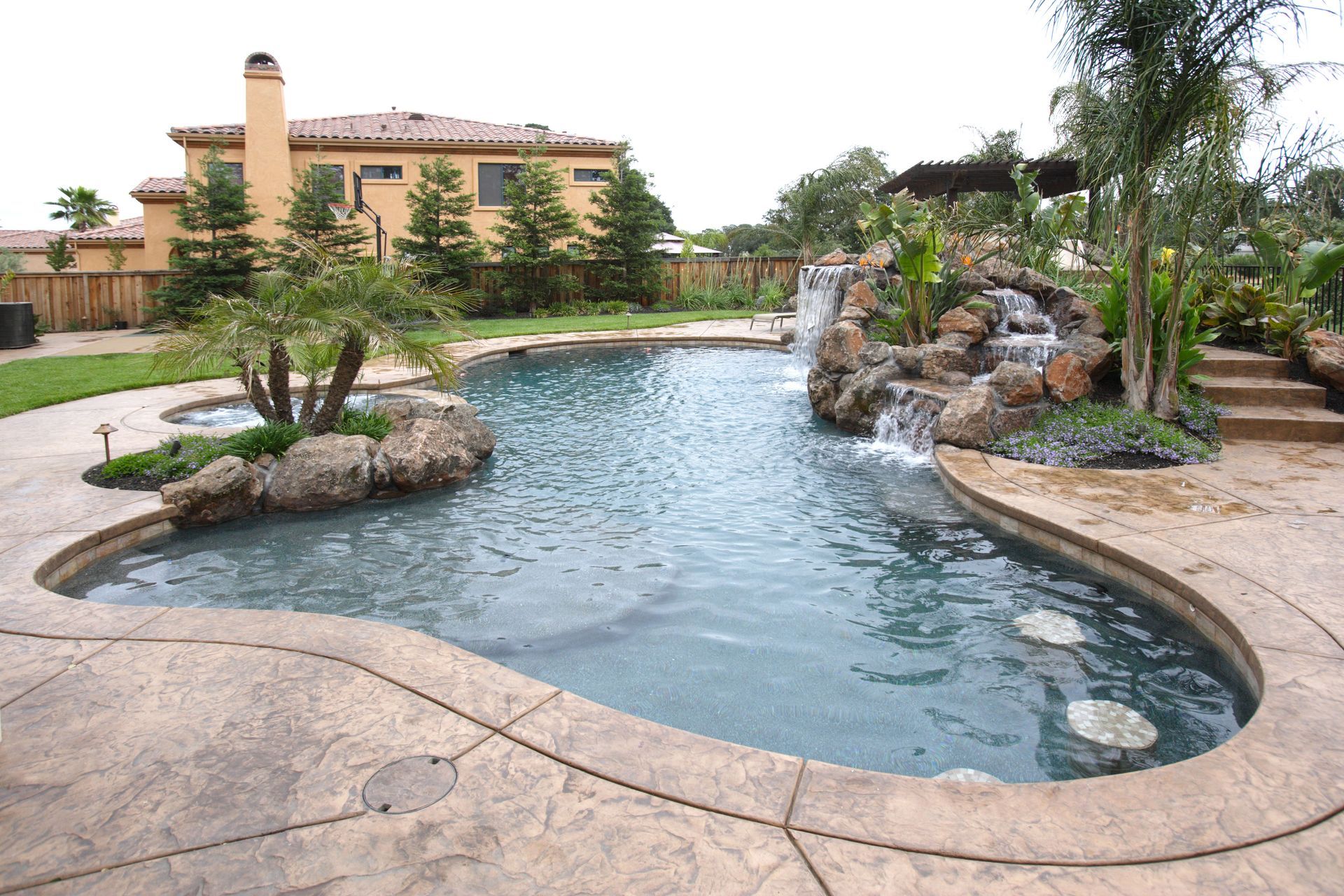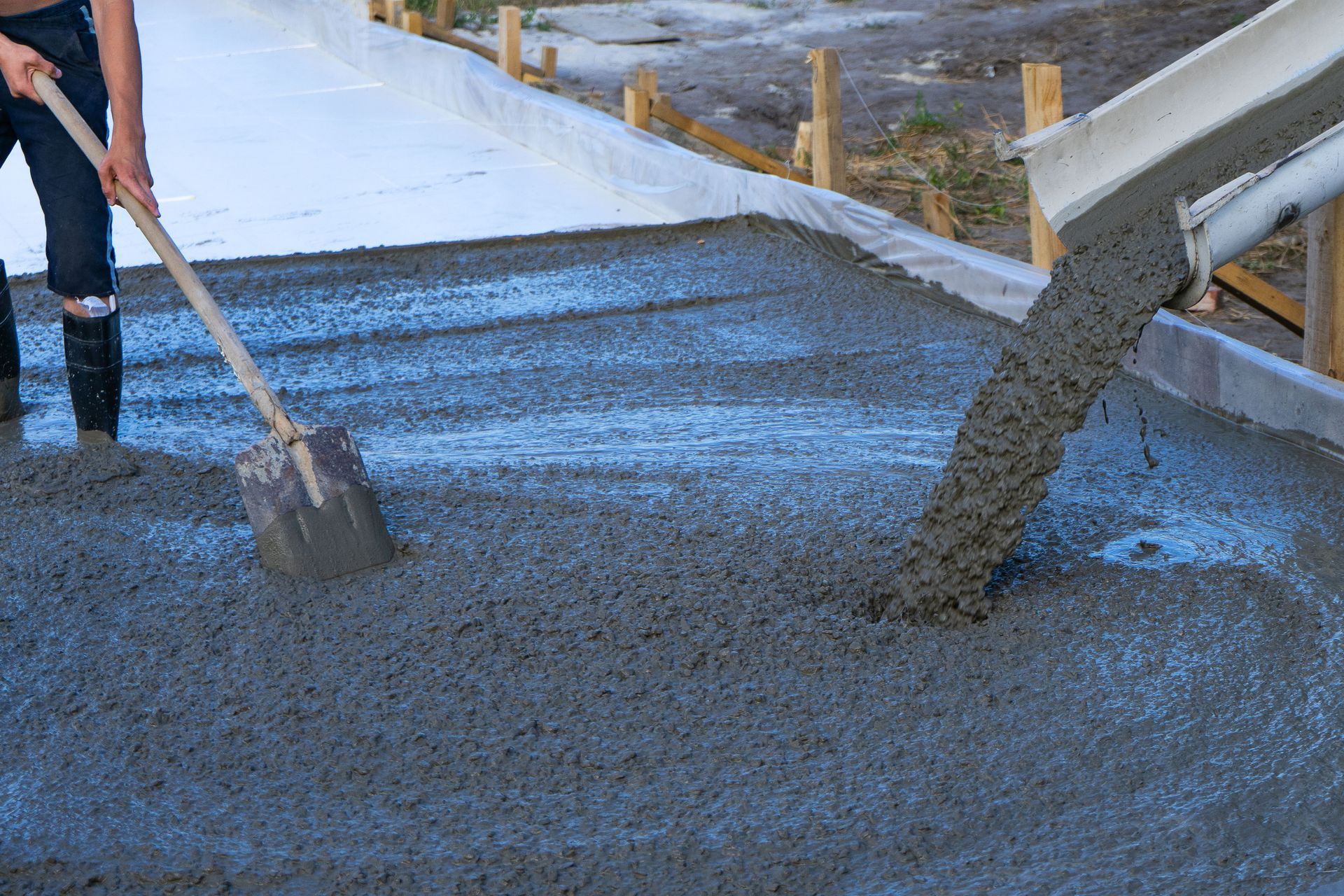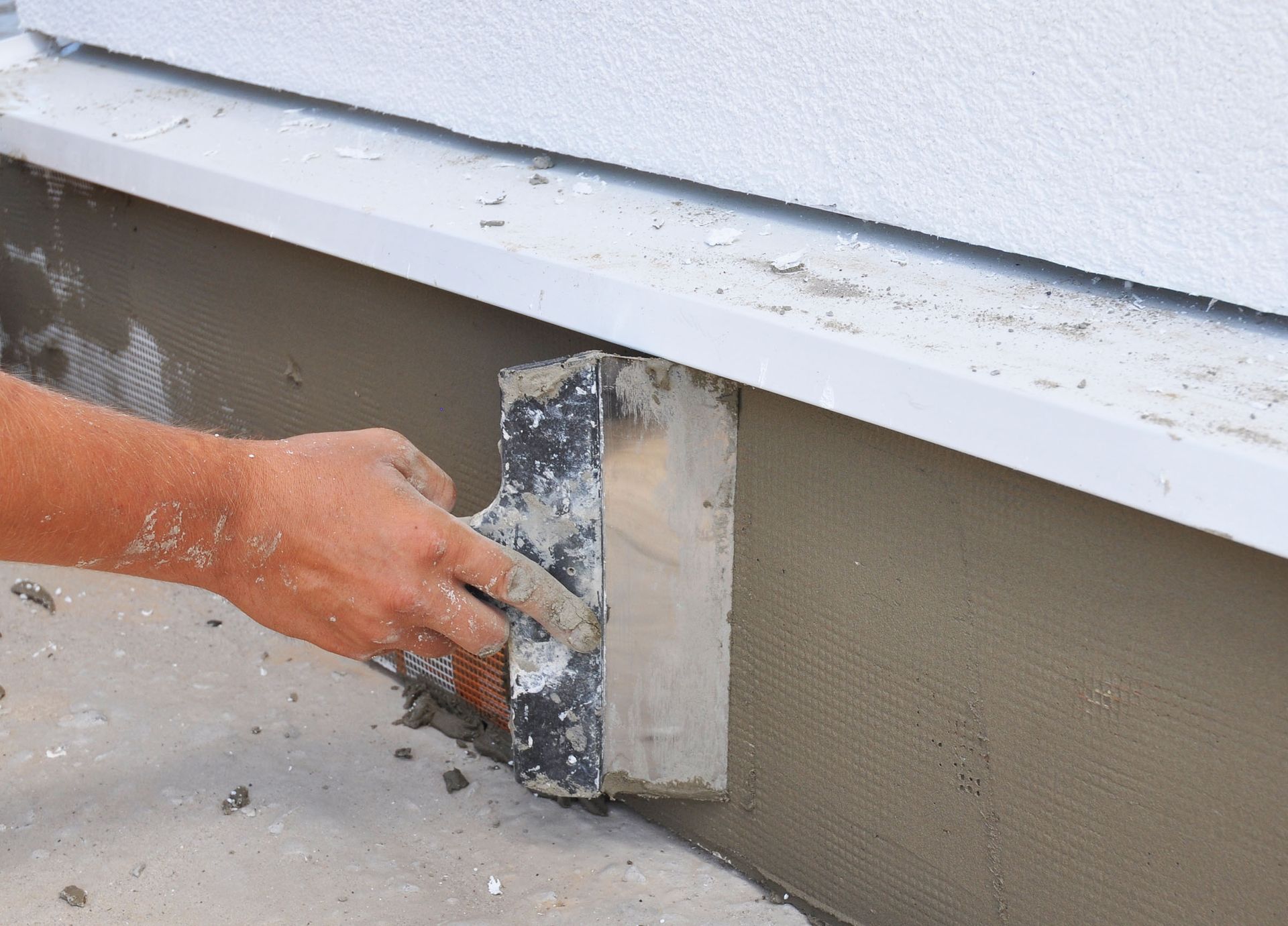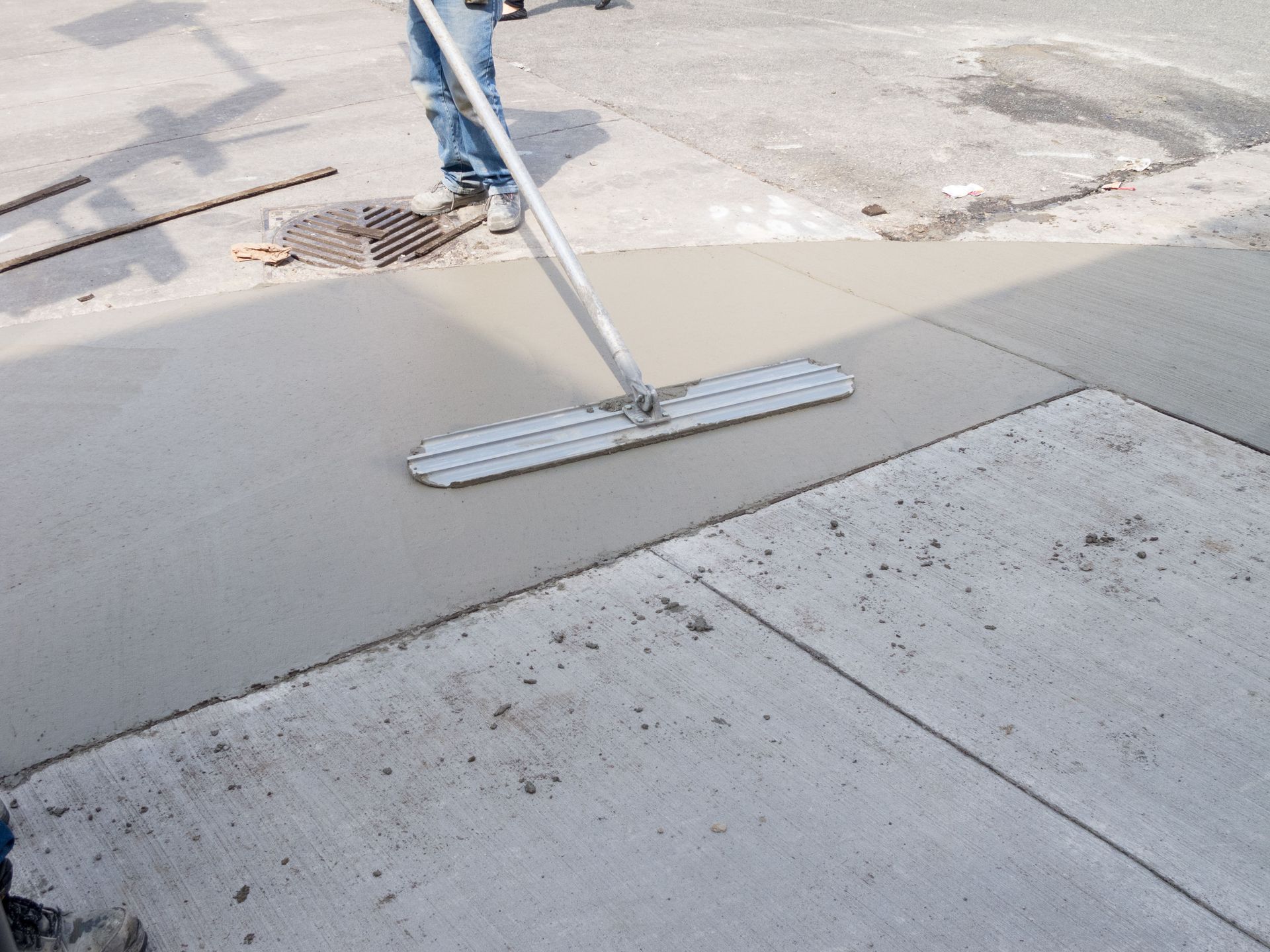
A cracked pool deck can quickly become more than an appearance issue around your swimming area. Small surface cracks may allow water to penetrate deeper into the material, while larger fractures can create uneven walking surfaces and contribute to additional deterioration. Pool decks are exposed to constant moisture, sunlight, temperature changes, pool chemicals, and regular foot traffic, all of which can affect their condition over time.
Understanding why cracks develop is the first step toward choosing the right solution. Professional evaluation can help determine whether a surface needs sealing, patching, resurfacing, or more extensive restoration. Acting promptly can also help prevent minor damage from becoming a larger and more expensive problem. With the right approach, homeowners can restore the appearance, safety, and function of their pool area.
Identify Common Causes of Pool Deck Cracking
Pool deck cracks can develop for several different reasons, making it important to understand what may be affecting the surface. Concrete can shrink as it cures, while changes in temperature can cause materials to expand and contract. Soil movement beneath the deck may also create pressure that eventually leads to cracks or uneven areas. Constant exposure to water and pool chemicals can contribute to surface deterioration when the material is not properly maintained. Heavy foot traffic and outdoor furniture may add additional stress over time. Identifying the cause of the cracking helps professionals determine which repair method is most appropriate. Addressing the underlying issue is important because simply filling a crack may not prevent it from returning. A thorough evaluation creates a better foundation for long-term improvements.
Recognize When Small Cracks Need Attention
Not every crack requires the same type of treatment, but even minor damage should not automatically be ignored. Small cracks can allow moisture to enter the surface and gradually reach deeper layers of the deck. As water expands and contracts with changing temperatures, existing damage may become wider or more pronounced. Cracks can also collect dirt and debris, making the entire pool area look less maintained. Early attention may allow professionals to address the issue before more extensive deterioration develops. Homeowners should pay attention to changes in crack size, depth, and surrounding surface conditions. Prompt pool deck repairs can help protect the surrounding material and maintain a more even walking surface. Taking action early often makes restoration more manageable.
Evaluate Water and Drainage Problems
Water is one of the most common factors contributing to deterioration around outdoor surfaces. Poor drainage can cause water to collect on or beneath the pool deck, creating ongoing moisture exposure. Over time, this may weaken the supporting soil and contribute to movement or settlement. Water can also enter existing cracks and worsen damage during seasonal temperature changes. Professionals evaluate drainage patterns to determine whether water is contributing to the problem. Improving how water moves away from the deck may help protect future repairs. A properly maintained surface should work with the surrounding drainage system rather than allowing moisture to remain in vulnerable areas. Addressing water-related concerns supports better long-term performance.
Repair Surface Damage With Professional Techniques
Professional repairs can address cracks and other surface imperfections using methods appropriate for the condition of the deck. Smaller cracks may be cleaned and filled with suitable materials designed for outdoor use. Larger or more widespread damage may require additional preparation before the surface can be restored. Professionals carefully remove loose material and prepare the damaged area so repairs can bond properly. This preparation is an important part of creating a more durable result. Depending on the condition of the deck, restoration may also involve resurfacing or applying a new protective finish. Proper pool deck repairs help improve both the appearance and usability of the surrounding area. Professional techniques provide a more comprehensive approach than simply covering visible damage.
Understand the Importance of Regular Sealing
Protective sealing helps reduce the impact of moisture, weather exposure, and regular outdoor use. The appropriate maintenance schedule depends on the type of material used for the deck and the conditions it experiences. According to Better Homes & Gardens, stone and concrete pool decks generally benefit from resealing every two to five years, while wood decks may require resealing each year. Regular sealing helps protect the surface and can support a cleaner, more attractive appearance. It may also help reduce the effects of water penetration and everyday exposure. Homeowners should inspect the condition of the existing sealant rather than waiting for visible deterioration to become severe. Consistent maintenance supports the long-term condition of the pool area. Protective care is an important part of preventing avoidable surface damage.
Restore Uneven Areas Around the Pool
Cracking sometimes occurs alongside sinking, shifting, or uneven sections of the pool deck. These changes can create tripping hazards and make the surrounding area less comfortable to walk across. Uneven surfaces may also indicate movement beneath the deck that needs to be evaluated before repairs begin. Professionals can assess whether the problem is limited to the surface or connected to underlying soil conditions. Addressing uneven areas may require specialized restoration techniques designed to improve the level and stability of the deck. Simply filling cracks may not resolve the issue if the surrounding material continues to move. Effective pool deck repairs should address the condition of the surface as a whole. A more level deck improves both safety and appearance.
Choose Materials That Suit the Environment
The materials used around a pool must withstand constant exposure to moisture, sunlight, chemicals, and changing outdoor conditions. Choosing appropriate repair and finishing products helps support better performance after restoration. Professionals consider the existing material, the location of the damage, and the conditions surrounding the pool when selecting suitable solutions. The right materials should complement the existing surface while providing the performance needed for outdoor use. Poorly matched products may deteriorate more quickly or create an inconsistent appearance. Material selection is therefore an important part of any restoration project. Properly chosen solutions can help create a more cohesive and durable result. A thoughtful approach supports the long-term condition of the pool deck.
Prevent Future Cracks With Ongoing Maintenance
Once a pool deck has been repaired, regular maintenance can help protect the investment. Homeowners should monitor the surface for new cracks, changes in elevation, standing water, and signs of worn protective coatings. Cleaning the area regularly can help prevent dirt and debris from collecting in small imperfections. Promptly addressing new damage may help prevent more extensive deterioration. Regular sealing and appropriate surface care also contribute to long-term performance. Pool deck repairs are often more manageable when issues are identified before they spread across larger areas. Preventive maintenance helps homeowners stay ahead of problems throughout the life of the deck. Consistent care supports a safer and more attractive outdoor space.
Professional preparation also improves the likelihood that repairs will bond properly and perform well over time. Experienced specialists can identify concerns that may be easy for homeowners to overlook. Working with a qualified team also helps ensure the restoration process is completed efficiently. Professional pool deck repairs can restore the surface while helping protect the surrounding property. Expert guidance provides a clearer path toward long-term improvement.
A cracked pool deck can affect the appearance, safety, and usability of your outdoor living space. Understanding the causes of cracking, addressing moisture concerns, repairing damage promptly, and maintaining protective coatings can all help preserve the surface. Professional evaluation is especially important when cracks appear alongside sinking, shifting, or widespread deterioration. With the right restoration approach, homeowners can improve the condition of their pool area and reduce the risk of additional damage. Regular maintenance after the work is complete also plays an important role in protecting the results. Taking action early helps keep the space attractive, functional, and ready for continued enjoyment.
If cracks, uneven areas, or surface deterioration are affecting your pool area, Luxpour can help restore the appearance and function of your outdoor space. Our team can evaluate the condition of your pool deck and recommend an appropriate approach for addressing damage and improving long-term performance. Contact us today to discuss your project and learn how professional pool deck repairs can help you enjoy a safer, more attractive pool area.